

I first discovered the many things to do in Paris when I visited at age 25. I stayed in a budget hotel, bought cheap lunches at neighborhood bakeries, and explored the city on foot. Even then, Paris captured my heart.
I returned multiple times in the 2000s with my family for business conferences. The memories of my children eating crepes and pain au chocolat still make me smile.

Now, as a retiree, I want to visit Paris regularly. I love exploring the city on foot, joining neighborhood walking tours, searching for street art, and spending hours in its museums.
Over the years, I have discovered the experiences in Paris that keep drawing me back. In this guide to 15+ things to do in Paris, I share some of my favorites. They include walking tours of Montmartre and the Marais, a delicious chocolate-tasting tour, and art museum outings.
Whether it is your first visit or your fifth, I hope these experiences help you discover a Paris that you will want to return to again and again.
Walk through Montmartre, wander the Marais, or follow Hemingway’s footsteps. Then escape Paris for the grandeur of Versailles. Paris rewards curiosity.
Table of Contents
Wander Through Le Marais
After exploring Paris’s major monuments, book a walking tour of Le Marais. Medieval streets, historic mansions, courtyards, museums, and shops fill this central neighborhood. Place des Vosges provides an ideal starting point.
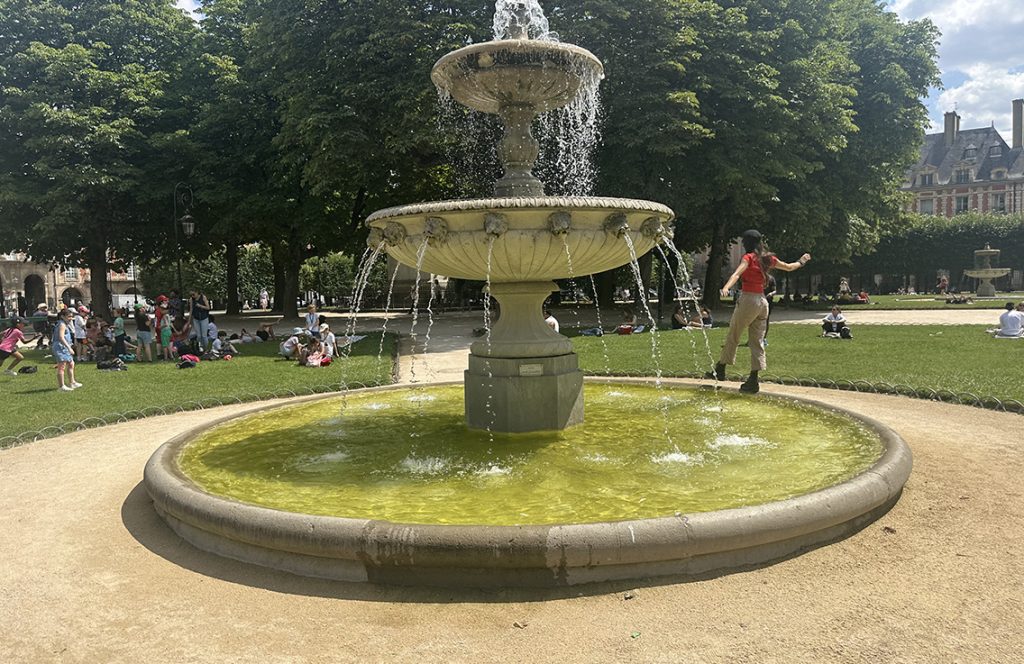
Once home to French kings and aristocrats in the 16th and 17th centuries, Le Marais lost its cachet after the royals departed. But the Place de Vosges (formerly known as Place Royal before the French Revolution) constantly reminded residents and visitors of its illustrious past.
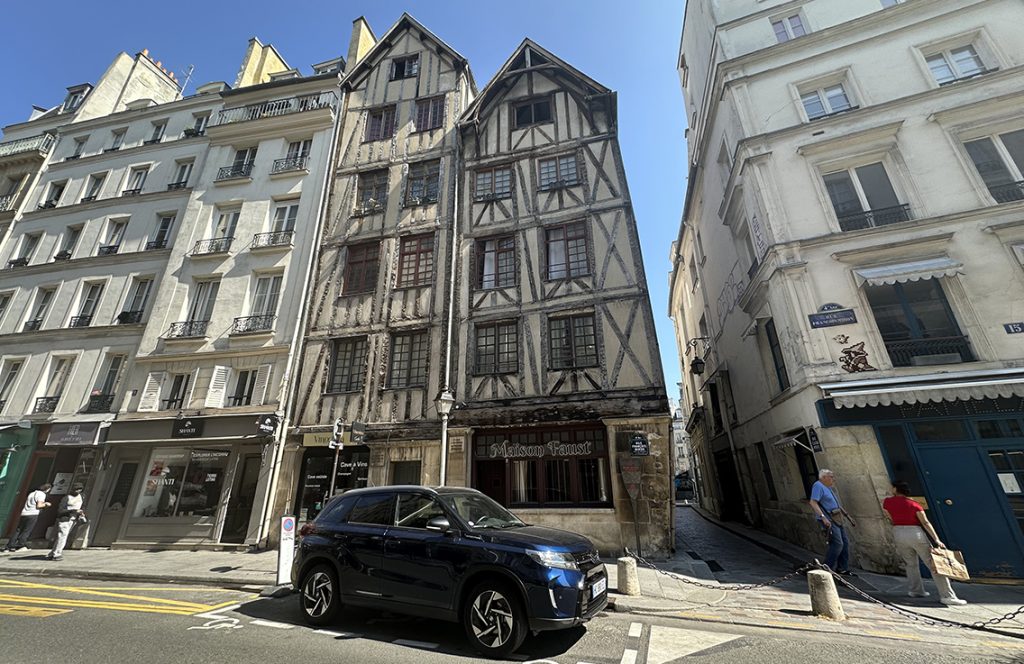
My favorite part of visiting Le Marais was walking down the alleys. I learned that the walls of medieval buildings were not built straight. Instead, they leaned into the alleyway. So, don’t be surprised if you find yourself tilting sideways as you gaze up at a building.
Le Marais is renowned for its historic buildings, including the Hôtel de Sens, Hôtel Carnavalet, and Hôtel de Sully. Wander aimlessly up and down connecting streets near the Place de Vosges. If the gates are open, you can peek inside the historic mansions. You’ll see gardens, courtyards, and sculptures.
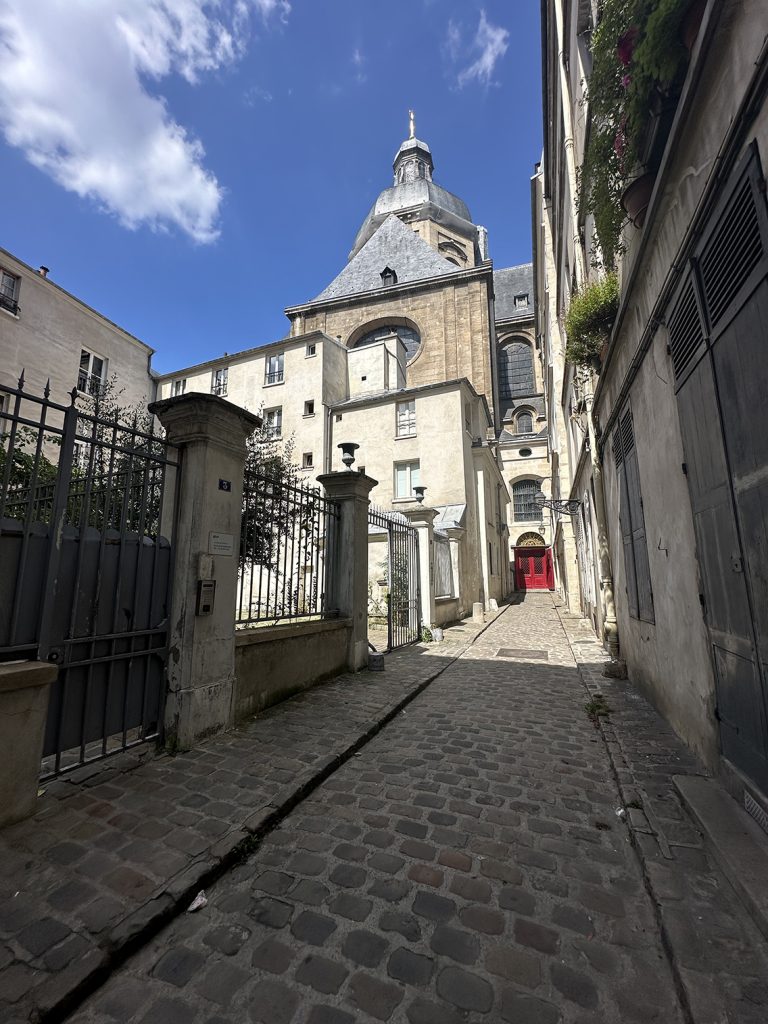
Next, leave the main streets and explore smaller lanes on foot. Look for architectural details, hidden gardens, and traces of the neighborhood’s long Jewish history. Let yourself wander. For a deeper exploration, follow my complete Marais neighborhood guide.
Tour Maison de Victor Hugo
If you have an afternoon free after your Le Marais walking tour, I suggest you tour Maison de Victor Hugo. In 1832, Victor Hugh moved his family into their new home at 6 Place de Vosges. His apartment was located within the Hôtel de Rohan-Guéménée. He lived there for 16 years until 1848.
The museum presents a well-rounded account of the many facets of Victor Hugo, a writer, artist, designer, and decorator. It is rare to see a house where an artist once lived.
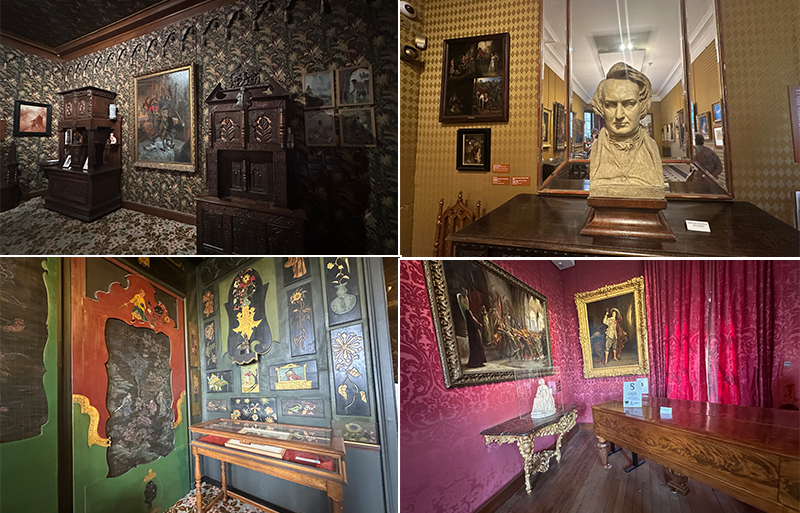
Time is frozen in this abode. You’ll see Hugo’s treasured paintings, drawings, prints, and objects. The author’s library features a collection of manuscripts and archives. The museum boasts over 50,000 works of art. Entrance to the museum is free. It is open Tuesday through Sunday from 10:00 a.m. to 6:00 p.m.
Explore Montmartre
Montmartre is a neighborhood on Paris’s highest hilltop. Its name is derived from “Mons martyrium,” meaning “mountain of martyrs.” Montmartre was once home to painters such as Renoir and Picasso. A historical enclave, it features the headless statue of Saint Dennis and the Basilica of Sacré-Cœur.
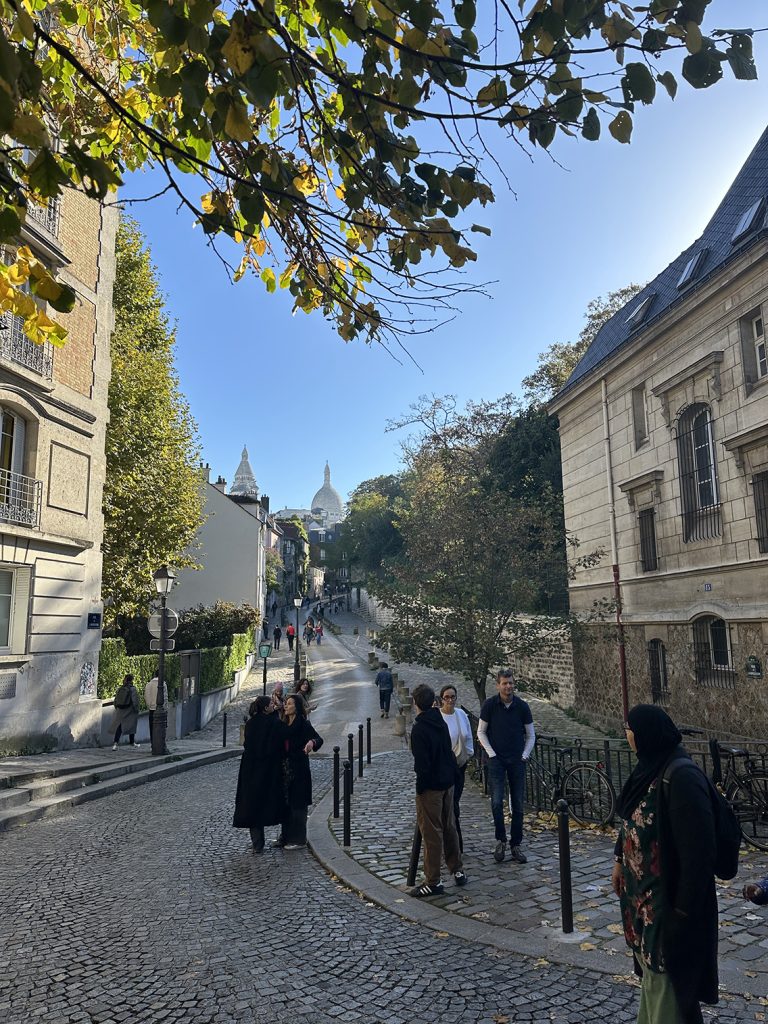
I recommend booking the two-hour Montmartre walking tour with Paris-Walks.com. My guide, Richelle, was an ex-pat who has called Paris home for decades. This picturesque walk introduced me to historical Montmartre, which was once a separate village outside Paris.
I enjoyed its winding cobbled streets, artists’ studios (Renoir, Lautrec, Van Gogh), and historic cabarets. Plus she showed us quirky street art, the old windmill, and Place du Tertre with its portrait sketchers. We ended at Sacré Coeur Basilica, which dominates Paris and provides a stunning view over the city.
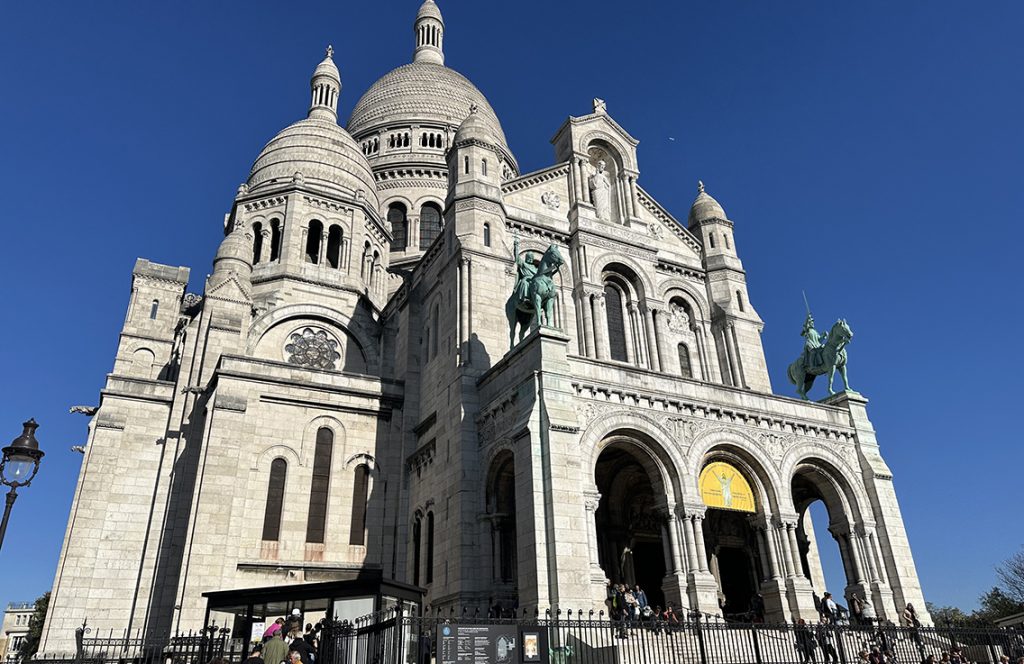
What distinguishes Montmartre from other Parisian neighborhoods is its medieval style—skinny alleys, curving avenues, and chaotic streets. You won’t confuse Montmartre with Haussmann Saint-Lazare’s wide avenues and imposing boulevards. My complete Montmartre neighborhood guide provides a longer walking route through the neighborhood.
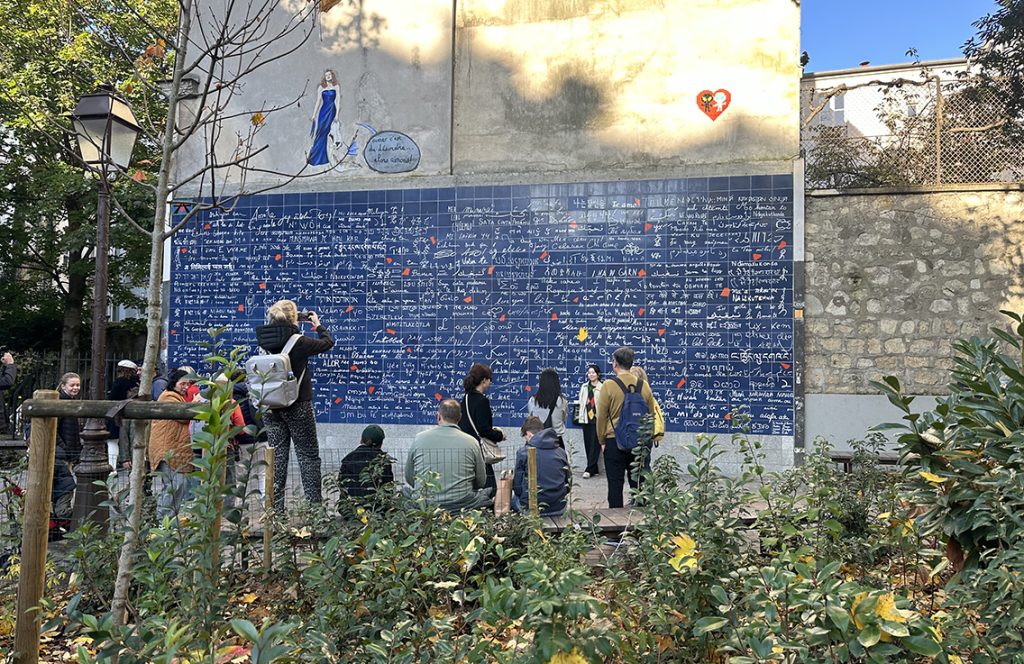
Tip: Stop by the Wall of Love (Le Mur des Je t’aime), where ‘I love you’ appears more than 300 times in over 250 languages.
Visit Musée de Montmartre
If you want to understand Montmartre beyond Sacré-Cœur and its cobblestone streets, visit the Musée de Montmartre. The museum occupies a 17th-century house where artists, including Pierre-Auguste Renoir, once lived and worked.

Did you know that this museum, located at 12 rue Cortot, is the oldest house in Montmartre? Pierre-Auguste Renoir lived in this residence from 1875 to 1876. He painted many of his masterpieces, including Bal du moulin de la Galette and La Balançoire, in this studio. (You can view these paintings at the Musée d’Orsay.)

This garden swing at the Musée de Montmartre inspired Pierre-Auguste Renoir’s 1876 painting The Swing (La Balançoire).

I loved wandering through the peaceful Jardins Renoir and exploring Suzanne Valadon’s recreated studio. The museum also traces Montmartre’s transformation from a rural village into the bohemian neighborhood of artists and cabarets that we know today. Allow about two hours to explore this hidden gem. Read about my visit to the Musée de Montmartre.
Tip: The museum recreated Montmartre’s famous 19th-century bar Le Chat Noir inside the old house.
Take an Emily in Paris Walking Tour
I realize that everyone is not obsessed with history and architecture. If so, I recommend taking a walking tour of the locations featured in the Netflix series Emily in Paris. This tour connects familiar scenes with real Paris streets. Visit filming locations while learning about the neighborhoods where Emily’s adventures unfold.

For instance, we stopped at Terra Nera. Emily in Paris fans will recognize it as Gabriel’s restaurant. Netflix confirms that Terra Nera is the real Paris restaurant used for the exterior of Gabriel’s fictional restaurant. In the series, Gabriel works here as the chef, and the restaurant becomes an important gathering place for Emily, Gabriel, Camille, Mindy, and their friends. Its fictional name changes over the seasons: it begins as Les Deux Compères, later becomes Chez Lavaux, and eventually L’Esprit de Gigi, named for Gabriel’s grandmother.
Beyond the television connections, the tour offers another way to explore Paris on foot. Notice apartment buildings, cafés, squares, and tucked-away streets. Along the way, compare the Paris shown onscreen with the city around you.

I think my biggest thrill was buying a pain au chocolat in the patisserie featured on the TV show. My niece and I sat at a table and relived the very first episode, in which Emily goes into a neighborhood boulangerie and orders what she calls a chocolate croissant. The baker corrects her: it’s a pain au chocolat. Emily walks outside, takes her first bite, stops, and says: “Oh my God.”
Tip: Visit Boulangerie Moderne Rabineau at 16 Rue des Fossés Saint-Jacques in the 5th arrondissement to purchase a pain au chocolat. It is located right by Emily’s apartment location and Gabriel’s restaurant.
Follow Hemingway’s Paris
Literature lovers can trace Ernest Hemingway’s years in Paris through the Latin Quarter and surrounding neighborhoods. The walking tour connects literature with physical places. Stand on streets he walked and see cafés associated with Paris’s expatriate writers.

The Latin Quarter is associated with many writers: Joyce, Orwell, Balzac, and Hugo. Hemingway immortalized this Parisian neighborhood in A Moveable Feast.
We saw old houses, the courtyard of the Mouffetard market, the medieval City wall, and the historic Church of St Etienne du Mont. I also stopped to buy cheese and a baguette at the end of the tour for my al fresco lunch in a nearby park.
Tip: Bring A Moveable Feast along for your walk. You can try to find addresses listed in the book.
Take a Chocolate Tasting Tour
For something different, book Paris Walks’ chocolate tasting tour. It is offered once a month on a Wednesday afternoon.

I learned how to select and appreciate top-quality chocolate. We visited a variety of superb chocolatiers on this walk, which mixes history and anecdotes with delicious chocolate and pastry tasting.
For something different, visit Choco-Story, the Paris chocolate museum. Exhibits trace chocolate from its early origins through European production and modern confectionery. Demonstrations reveal how chocolatiers transform cacao into finished treats.

Tip: Chocolate lovers should stop at Chapon’s famous Chocolate Mousse Bar. Choose from several mousses made with cacao from different regions around the world. Your mousse is scooped into a small container to enjoy while exploring Paris.
Explore Île Saint-Louis
Île Saint-Louis feels like a quiet village tucked into the heart of Paris. The small island sits in the Seine, just behind Notre-Dame and Île de la Cité. I love wandering along its narrow streets and admiring the 17th-century townhouses. You will also discover inviting cafés, specialty shops, and beautiful river views. It is an ideal neighborhood to explore slowly on foot.

One of my favorite ways to experience Île Saint-Louis is simply to wander without a schedule. Walk along Rue Saint-Louis en l’Île, browse the little shops, and stop for a sorbet at Berthillon. Then head toward the river and stroll along the quais. The island offers a peaceful break from the busier Paris attractions, yet you remain right in the city’s historic center.

Tip: My favorite combination flavor is cassis and vanilla. Order two scoops (or you will live to regret it!) After your purchase, walk down to the riverfront. Enjoy your sorbet while admiring the Seine and surrounding architecture.
Tour Notre-Dame Cathedral
After you finish your sorbet, walk across the bridge to Île de la Cité and tour Notre-Dame Cathedral. The medieval cathedral reopened in December 2024 following extensive restoration after the 2019 fire. Visitors can once again experience its nave, chapels, stained glass, and soaring Gothic architecture.

Look closely at the ribbed vaults, columns, sculptures, and rose windows. Then walk around the cathedral’s exterior to study its flying buttresses. Notre-Dame tells centuries of Paris history through stone, glass, and craftsmanship.

Tip: Don’t rush through Notre-Dame. Stop to admire its spectacular rose windows, masterpieces of Gothic stained glass. The north rose retains almost all of its original 13th-century glass, while the south rose measures nearly 13 meters across. Look closely at the brilliant blues, reds, and intricate biblical scenes.
Explore the Musée d’Orsay
I also recommend you visit one of Paris’ most celebrated art museums. The Musée d’Orsay occupies the former Gare d’Orsay railway station. Its Beaux-Arts structure makes the building part of the experience.

The grand building opened in 1900 as the Gare d’Orsay railway station for the Paris Exposition. Inside, its soaring arched glass-and-steel roof still evokes the grandeur of the former train terminal. Ornate details, a vast central hall, and the museum’s enormous gilded clock recall its railway past.

Inside, explore works by Monet, Renoir, Degas, Van Gogh, Cézanne, and other influential Impressionist painters. Instead of racing through galleries, choose several artists or periods and study them closely.

Tip: Musée d’Orsay has an important Art Nouveau decorative-arts collection, including furniture, complete room ensembles, glass, ceramics, and other decorative objects.
Walk Above Paris on the Coulée Verte René-Dumont
One of my favorite ways to explore Paris’s 12th arrondissement is along the Coulée Verte René-Dumont, formerly known as the Promenade Plantée. This 4.5-kilometer greenway follows a former railway line. Parts of the trail rise high above the streets, offering a completely different perspective of Paris.

The elevated section winds through lush plantings, rose-covered trellises, and small gardens. As you walk, look across at the surrounding apartment buildings and their beautiful Parisian architecture. The route also crosses bridges before eventually descending to street level and continuing through landscaped spaces and tunnels. It feels surprisingly peaceful for a walk through the heart of a major city.

Opened in the 1990s, the Coulée Verte was an innovative example of how abandoned railway infrastructure could be transformed into public green space. It later helped inspire New York City’s High Line. I especially recommend this walk if you want to explore Paris beyond its famous monuments. Bring your camera because the combination of gardens, architecture, elevated views, and unusual perspectives provides plenty of photo opportunities.
Tip: Look for quirky architectural details and artwork visible from the elevated path, including replicas of Michelangelo’s Dying Slave.
Stroll Through the Tuileries Garden
After visiting museums and monuments, slow down in the Tuileries Garden. André Le Nôtre redesigned the royal garden in the 17th century with the symmetry and long sightlines that became his signature. Broad pathways, precisely arranged trees, geometric flower beds, reflecting pools, and classical statues create a sense of order and balance.

One of my favorite features is the garden’s grand central axis. Your eye travels from the Musée du Louvre through the Tuileries toward the Place de la Concorde and beyond. Despite its formal design, the garden invites you to slow down, pull up one of the iconic green chairs, and simply enjoy Paris.
Tip: The Tuileries creates a natural walking route between several major Paris attractions.
Eat Steak and Frites at a Paris Bistro
No trip to Paris is complete without a mention of its superb restaurants. It is mandatory to visit a bistro in Paris for steak and frites. This classic pairing combines a seared steak with a generous serving of fries. Sauces vary, but peppercorn, béarnaise, and herb butter remain popular choices.
More importantly, linger over the meal rather than rushing to your next attraction. Watch servers move between tightly arranged tables. Listen to conversations around you. A bistro dinner lets you experience Paris through an everyday ritual.

Tip: I recommend dining at Le Relais de l’Entrecôte for a classic Paris experience. This popular restaurant is famous for its steak-frites. Come hungry and be prepared to wait in line during busy times.
Take a Day Trip to Versailles
Before you depart Paris, I urge you to take the train and visit the Palace of Versailles. The former royal residence displays the scale and ceremony of France’s monarchy. Tour the palace before heading outside to explore its extensive grounds.

The Palace of Versailles overwhelms with its sheer scale and extravagant French Baroque architecture. Louis XIV transformed his father’s hunting lodge into a royal palace designed to display the power of the French monarchy. Its long, symmetrical façade features classical columns, elaborate sculptures, and gilded details.
Inside, richly decorated rooms lead to the magnificent Hall of Mirrors, where arched windows face matching mirrors beneath glittering chandeliers and painted ceilings. The palace and its formal gardens work together as one grand composition, with carefully planned vistas stretching toward the horizon.

Tip: Buy a classic jambon-beurre baguette at a café on the Versailles grounds. Grab a bench and enjoy your lunch while admiring the magnificent gardens and fountains.
Take a Day Trip to Monet’s Home in Giverny
One of my favorite day trips from Paris is Giverny, where Claude Monet lived and painted for more than 40 years. Tour his colorful home and wander through the gardens that inspired some of his most famous paintings. The highlight is the Japanese-inspired water garden, where you can see the lily pond, weeping willows, and green bridge immortalized in Monet’s Water Lilies series.

Giverny is especially beautiful from spring through fall, when different flowers bloom throughout the gardens. Walking through Monet’s garden feels like stepping inside one of his Impressionist paintings. You can easily visit Giverny as a day trip from Paris and return to the city by evening.

Musée Monet attracts over half a million visitors from all over the world each year. It isn’t a should but a must-stop on any visit to France if you love the French impressionists. Read my complete guide to visiting Monet’s House and Gardens in Giverny.
Tip: Look for Monet’s remarkable collection of Japanese prints covering the walls of his Giverny home.
FAQs
How many days do you need in Paris?
Plan to spend at least four to five days in Paris on your first visit. This gives you time to see major attractions while exploring a few neighborhoods at a relaxed pace. With a week, you can add more museums, walking tours, markets, and a day trip to Versailles.
What are the best things to do in Paris for first-time visitors?
First-time visitors should see iconic sights such as the Eiffel Tower, Notre-Dame, the Musée du Louvre, and the Arc de Triomphe. But save time to experience Paris beyond its landmarks. Walk through Montmartre and the Marais, relax in the Tuileries Garden, visit the Musée d’Orsay, and enjoy a Seine River cruise.
What is the best way to explore Paris neighborhoods?
Walking is my favorite way to explore Paris neighborhoods. You notice architectural details, hidden courtyards, street art, small gardens, and neighborhood cafés that you might otherwise miss. Consider joining a guided walking tour of Montmartre or the Marais. I also recommend wandering around Île Saint-Louis on your own.
What are the best free things to do in Paris?
Some of the best free things to do in Paris involve simply exploring the city. Walk along the Seine, wander through Montmartre, explore the Marais, and relax in the Tuileries Garden or Luxembourg Gardens. You can also admire Notre-Dame’s exterior and search for street art in neighborhoods such as Belleville.
What is the best time of year to visit Paris?
Spring and fall are wonderful times to visit Paris because temperatures are generally comfortable for walking. Gardens bloom in spring, while autumn brings colorful foliage and crisp weather. Summer offers long days but attracts larger crowds. Winter can be cold and gray, but fewer tourists and festive holiday decorations give Paris a different kind of charm.
Final Thoughts: Things to Do in Paris
After more than 40 years of visiting Paris, I am still discovering something new about the city. My first trip at age 25 introduced me to its famous monuments, museums, and bakeries, as well as driving in the frightening traffic circle around the Arc de Triomphe. Each return visit has taught me more about the City of Lights.
But my favorite way to experience Paris today is to explore its neighborhoods on foot. Walking through Montmartre, the Marais, and Île Saint-Louis reveals a more intimate side of the city. I notice architectural details, hidden courtyards, street art, gardens, cafés, and everyday Parisian life.
Paris rewards curiosity. Take a walking tour, wander down a skinny street that catches your eye, visit a museum, or linger in a neighborhood café. More than four decades after my first visit, I am still learning about Paris. And that is exactly why I keep returning.


8 Comments
Sara Essop
September 12, 2026 at 2:25 pmI need to visit Paris again because I missed out on so much on my first (quick) visit. The day trip to Versailles is at the top of my list!
Terri
September 12, 2026 at 5:28 pmI fall back in love with Paris every decade. I visited twice over the course of eight months last year, and I am obsessed again. Visiting Monet’s home in Giverny was top on my list. It only took me 39 years.
Laureen Lund
September 12, 2026 at 3:01 pmIt never gets old right? My husband and I talk about spending a couple months in Paris some day…wouldn’t that be amazing?
Terri
September 12, 2026 at 5:27 pmI have a friend who rented an apartment in Marais for a month in September. I cannot get this out of my mind. I just need to figure out how to bring my golden retriever and two Siamese cats.
Anita Sane
September 12, 2026 at 3:01 pmSo many things to do and see in Paris. I have seen many from your list, but not all. I am interested in visiting the Musée de Montmartre during one of my upcoming trips to this fascinating city. Thanks for sharing!
Terri
September 12, 2026 at 5:30 pmI think you will love this precious museum in Montmartre. I wish I had time to have lunch in the gardens. It was a perfect June day.
Sonia
September 12, 2026 at 3:57 pmMontmatre and Le Marais are some of my favorites too! Always fun to visit again.
Terri
September 12, 2026 at 5:29 pmAbsolutely, my two favorite Parisian neighborhoods!